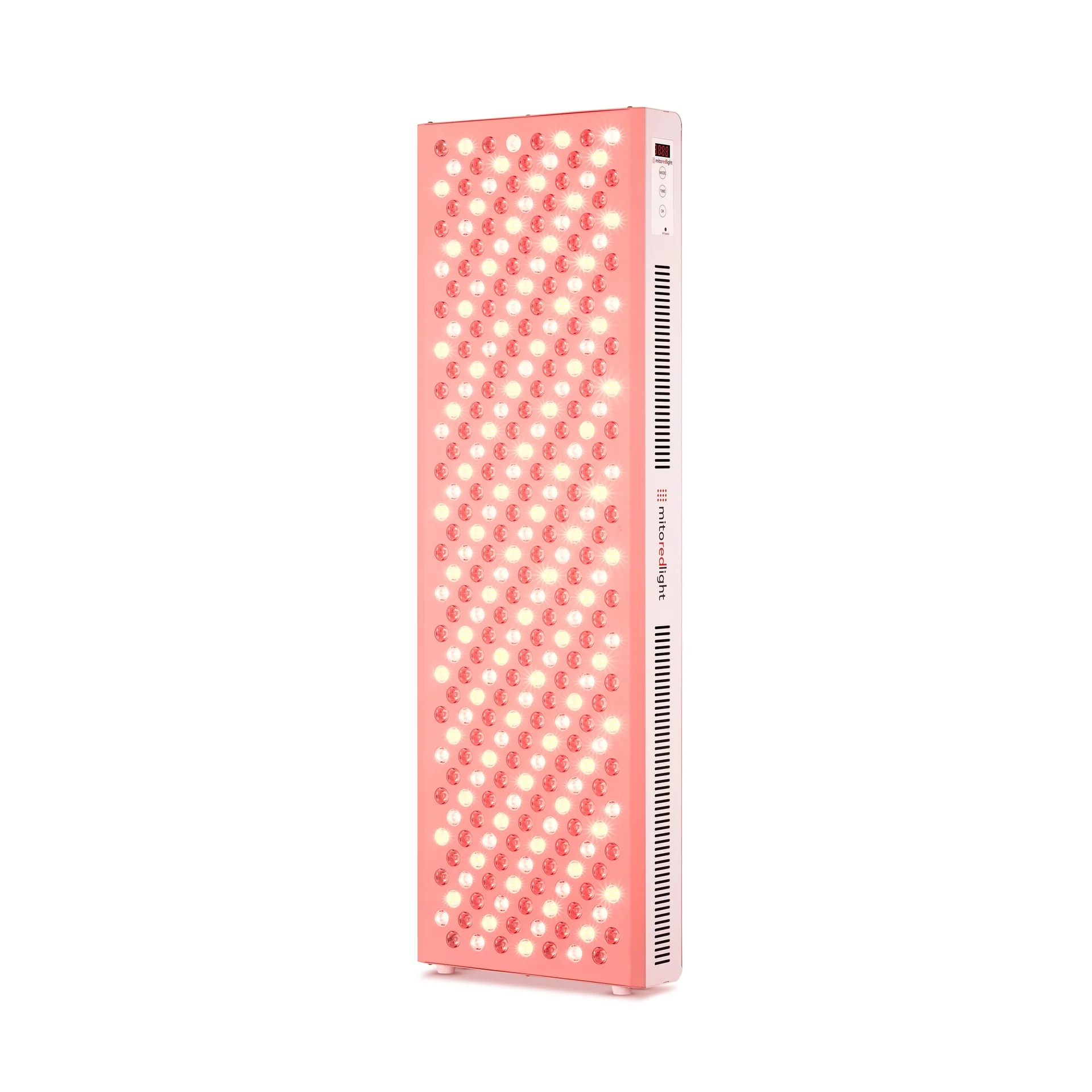
MitoPRO 1500+
The best all-round buy for most people. Strong coverage per dollar, sensible wavelengths, and enough output to keep sessions practical without paying for luxury extras.
Read full reviewAll the products listed here we think are great! We hope this guide helps you find the right model.
Last updated:
The best all-round buy for most people. Strong coverage per dollar, sensible wavelengths, and enough output to keep sessions practical without paying for luxury extras.
Read full review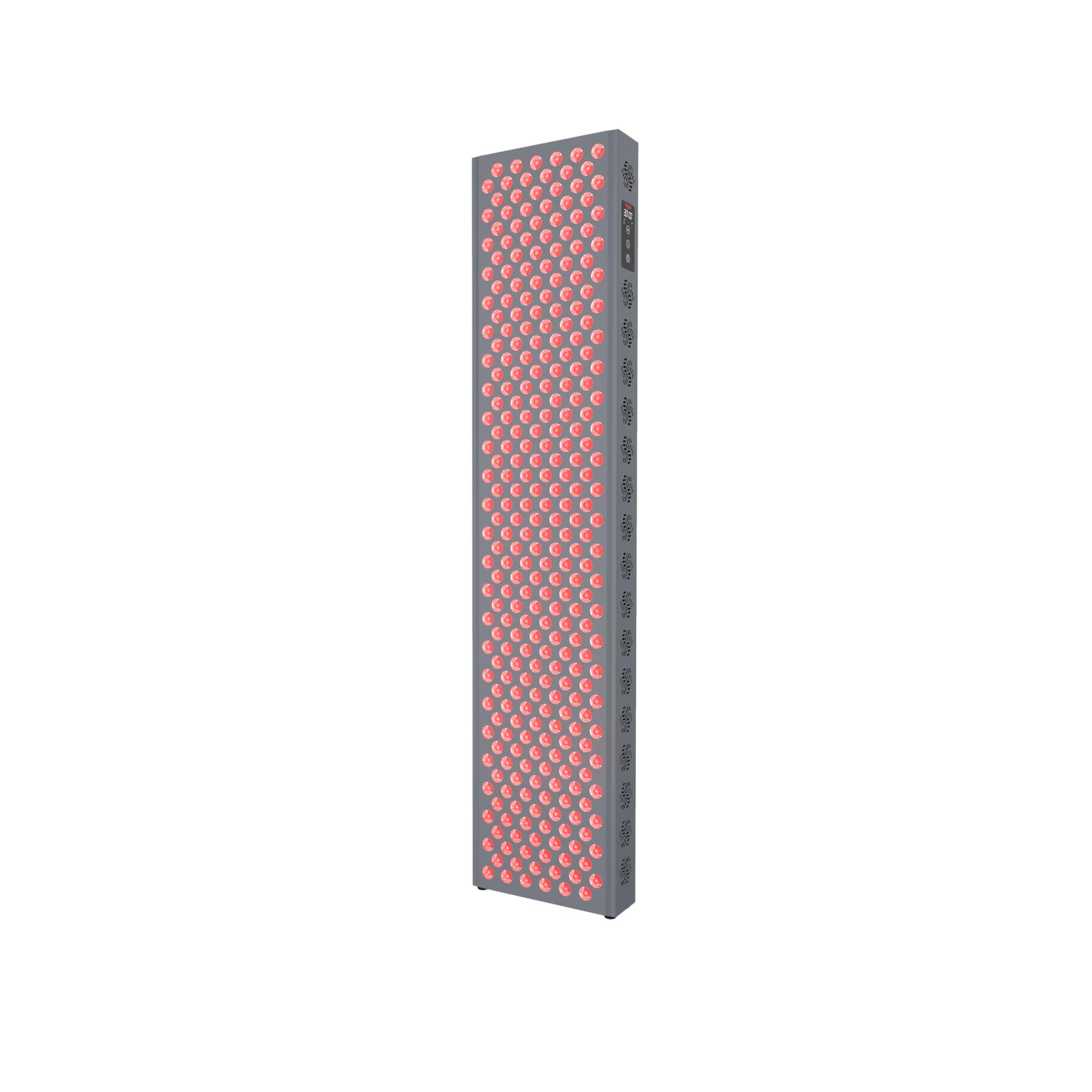
Best value-output pick. Very strong power for the price with simple controls. The trade-off is fewer convenience features and more repositioning than wider premium panels.
Read full review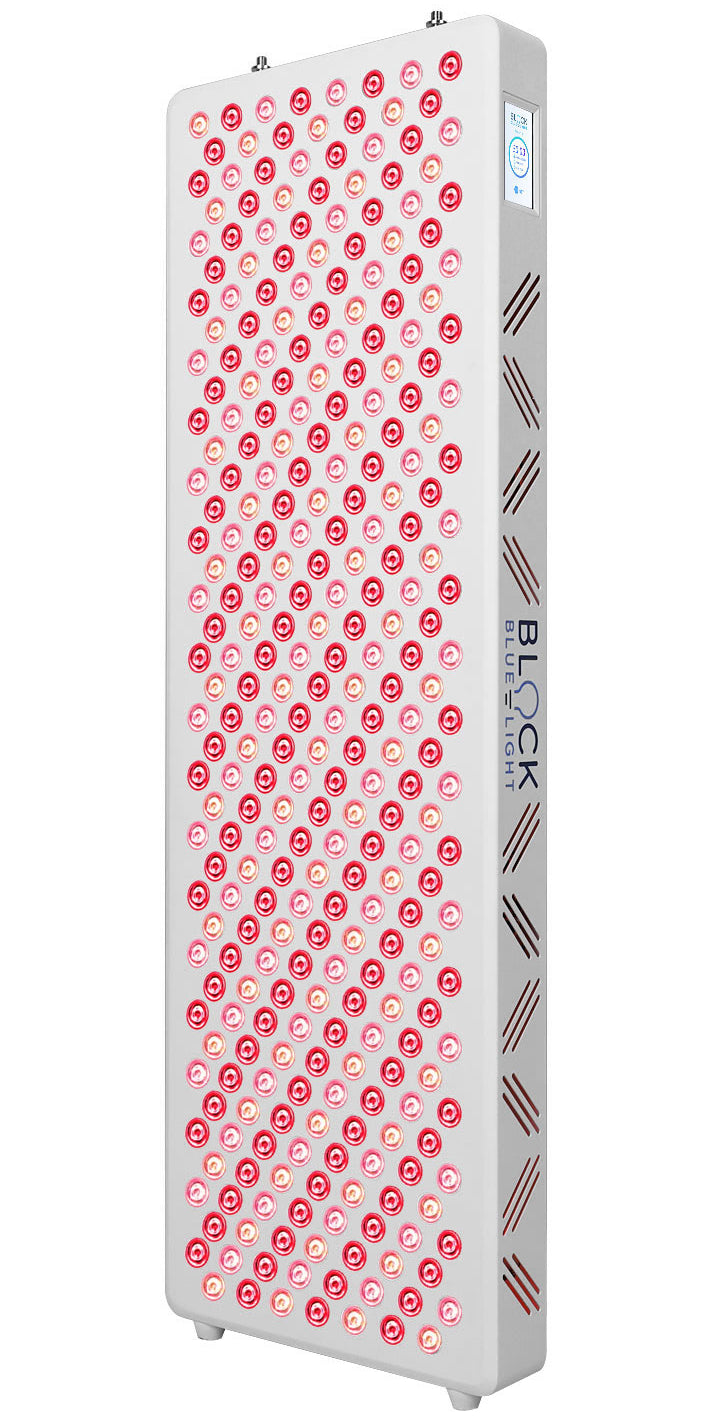
Best premium step-up if you want a more polished daily driver. Great usability and features, but less compelling on pure value and transparency than the top two.
Read full reviewOur picks balance wavelength choice, coverage, comfort, routine friction, and price. There is no single best panel, just the best fit for how you'll use it.
These are the variables that drive real-world value for most buyers: usable power at your working distance, coverage, wavelength mix, price, and the small usability features that keep sessions repeatable.
| Category | Why it matters |
|---|---|
| Power | Power determines session length at the distance you actually use. Ignore wattage marketing. What matters is usable light at your working distance and how evenly it is delivered. |
| Price / Value | Value is coverage, usable power, wavelength mix, build, features, and support terms for the price. Cheap panels can be false economy if they are slow, awkward, or costly to return. |
| EMF transparency | These devices are used close to the body, often several times a week. Clear, specific testing helps separate careful engineering from vague marketing. "Low EMF" without numbers or test methods does not tell you much about what you are actually exposed to. |
| Features | Features only matter if they make sessions repeatable: timers, dimming, pulsing, presets, and simple controls. Spec-sheet complexity rarely improves outcomes. |
| Modularity | Some people start small and expand over time. A modular system lets you add coverage later instead of replacing everything you already own, which can make a more expensive brand cheaper in the long run. |
| Body coverage | Coverage affects whether the device fits into real life. Small panels turn full-body routines into long, fiddly sessions with lots of repositioning. Bigger coverage makes it easier to finish a session and stick with the routine over weeks and months. |
Strong coverage per dollar with a sensible wavelength mix
Review: The MitoPRO 1500+ gets the fundamentals right in a way very few panels do. It is wide and tall enough that full-body routines feel realistic, powerful enough that sessions do not drag on, and priced fairly for the amount of coverage you get. There is no app or feature bloat here, but that is part of the appeal: it is easy to use, easy to stick with, and easy to recommend. If you want one panel to anchor a home setup without overthinking it, this is the cleanest choice.
| Best for | Mostly full-body coverage without a multi-panel setup. |
|---|---|
| Watch-outs | Like most consumer panels, output data is manufacturer-presented rather than independently field-mapped. |
| Key specs | 630/660/830/850 nm, 300 LEDs, 36 x 12 in. |
| Price snapshot | $1,169 (USD). |
| Warranty / trial | 3-year warranty, 60-day trial. |
Polished daily-driver panel with strong usability
Review: This is the panel for people who want a more polished day-to-day experience: better controls, presets, and a set-it-and-run-it feel. It is not the strongest value-output play, but it is easy to operate, easy to live with, and consistently pleasant in regular use. Strong support terms for the category (check region) help reduce purchase risk.
| Best for | People who want a premium-feeling panel that is easy to operate and pleasant to use consistently. |
|---|---|
| Watch-outs | Not the most powerful and not the cheapest. |
| Key specs | ~81 mW/cm2 reported, dual-chip LEDs, pulsing + presets. |
| Price snapshot | Under $1,300 (USD). |
| Warranty / trial | Varies by region. Confirm on your local storefront at checkout. |
Output-first value panel with simple controls
Review: The Hooga PRO1500 is an output-first buy: high usable power for the money, straightforward controls, and a predictable routine. It is narrower than wider premium panels, so you will reposition more during longer routines, but it remains easy to place and easy to run. This is less about polish and more about getting a lot of light for the price.
| Best for | Clear at-distance irradiance with simple controls. |
|---|---|
| Watch-outs | Narrower width means more repositioning. EMF transparency is not as method-detailed as the most measurement-forward brands. |
| Key specs | 660/850 nm, 300 dual-chip LEDs, 36 x 8.6 in. |
| Price snapshot | $1,199 (USD). |
| Warranty / trial | 3-year warranty, 60-day trial. |
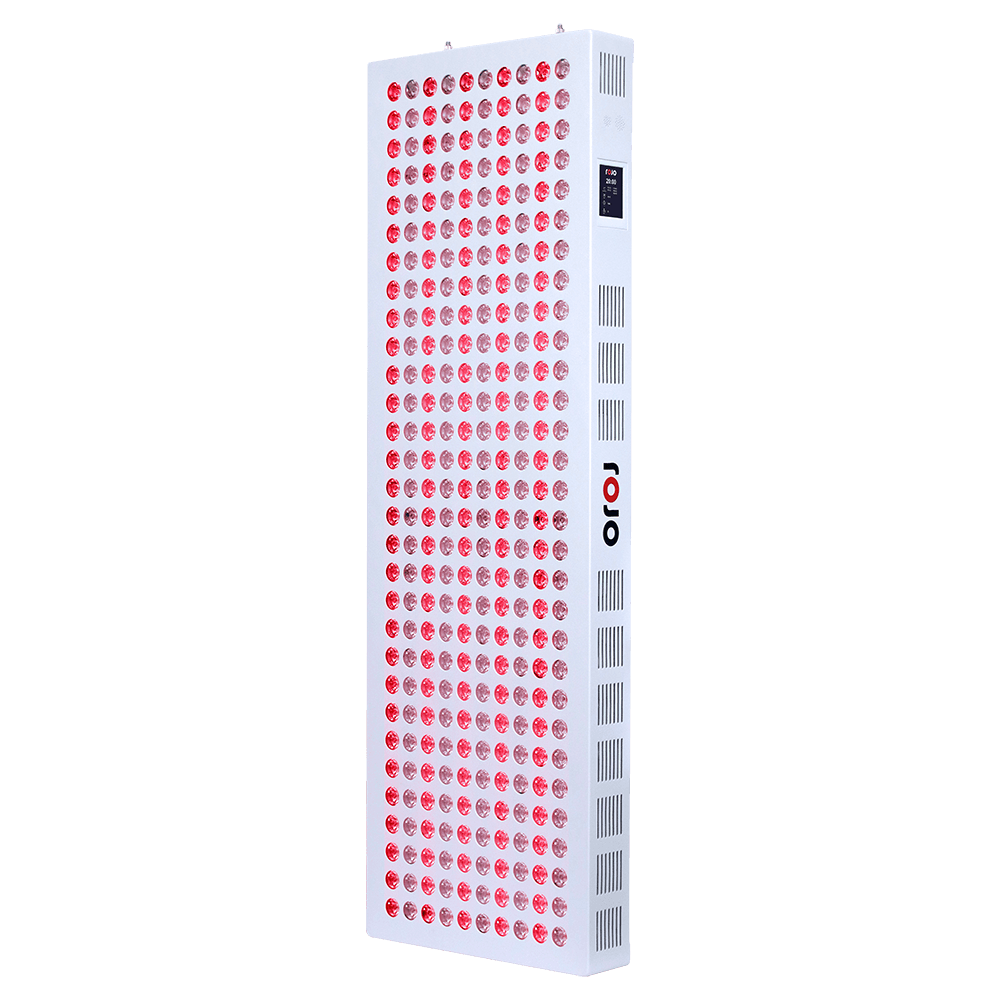
Feature-rich value alternative with longer sessions
Review: If you enjoy tweaking modes, using presets, and experimenting with different session styles, the Refine 900 is one of the more interesting panels to own. You get a lot of features for the money, and the interface feels more modern than most. The trade-off is lower output, which means longer sessions if you are chasing the same dose as higher-power panels. Great for tinkerers, less ideal for anyone who just wants to get in and out quickly.
| Best for | People who want the most capability per dollar. |
|---|---|
| Watch-outs | Lower output means longer sessions if you are chasing higher doses. EMF transparency is not a strong point. |
| Key specs | ~72 mW/cm2 reported, dual-chip LEDs, pulsing + smart modes + custom programs. |
| Price snapshot | Under $1,200 (USD). |
| Warranty / trial | 3-year warranty, 60-day trial. |
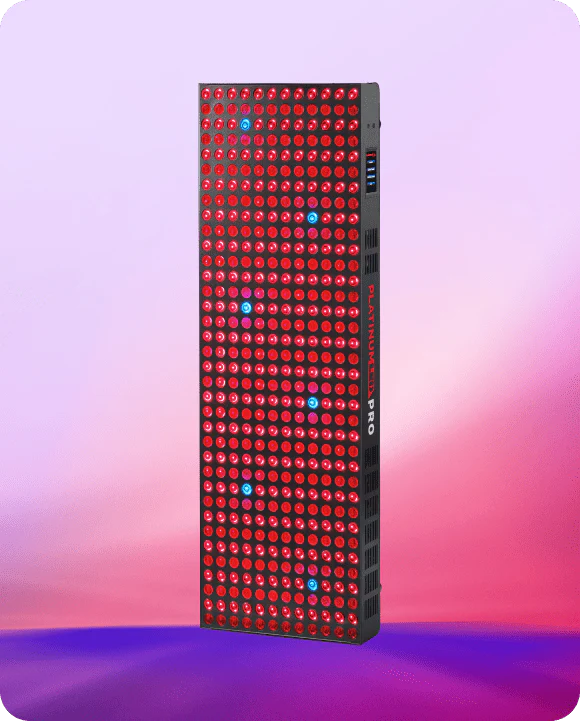
Peak-intensity premium panel for shorter sessions
Review: This is the panel you buy when intensity is the priority. It is built for shorter sessions or for treating comfortably from further away, and in that role it does exactly what it promises. The experience is more utilitarian than refined, and the price is firmly in premium territory, so the value only really makes sense if you actually need that extra output. For everyone else, it is impressive but hard to justify.
| Best for | Users who want peak output and a BioMax ecosystem path. |
|---|---|
| Watch-outs | Premium pricing and return friction. Best value only if you will use the extra intensity. |
| Key specs | ~101-104 mW/cm2 reported, single-chip LEDs, pulsing + presets. |
| Price snapshot | About $1,520 (USD). |
| Warranty / trial | 3-year warranty, 60-day satisfaction window (fees may apply). |
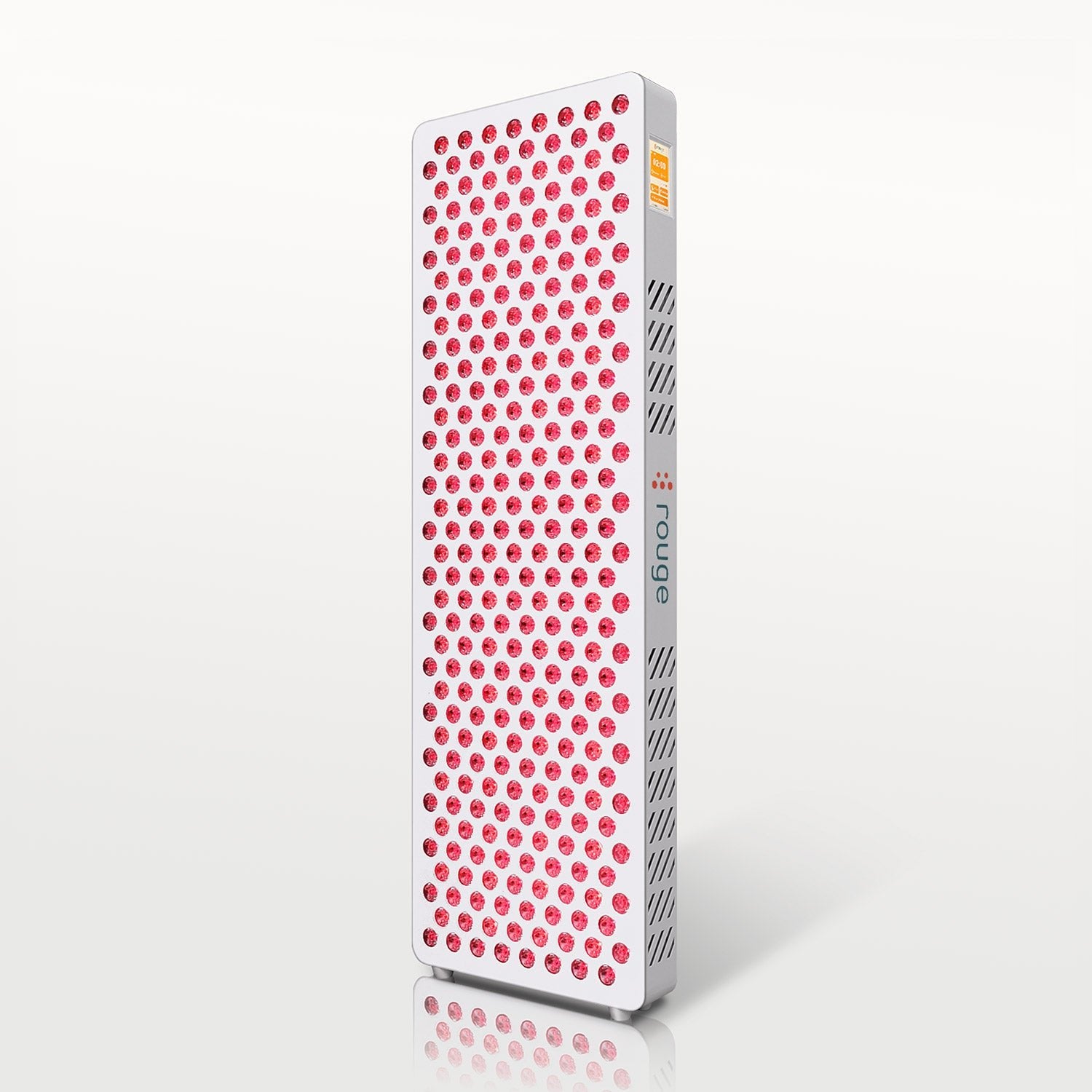
Spectrum-first panel with lower reported power
Review: The Rouge G4 leans heavily into wavelength variety and smart modes, which makes it appealing if you care about fine-grained control. It is flexible, configurable, and clearly designed for people who like to experiment. The downside is speed: lower reported output means longer sessions, and at this price that is a real trade-off. Best seen as a niche choice for people who value control over efficiency.
| Best for | Users prioritizing wavelength variety and smart modes. |
|---|---|
| Watch-outs | Lowest reported power in the 2025 comparison. |
| Key specs | ~59 mW/cm2 reported, dual-chip LEDs, pulsing + smart modes. |
| Price snapshot | Just over $1,300 (USD). |
| Warranty / trial | Varies by region. Confirm at checkout. |
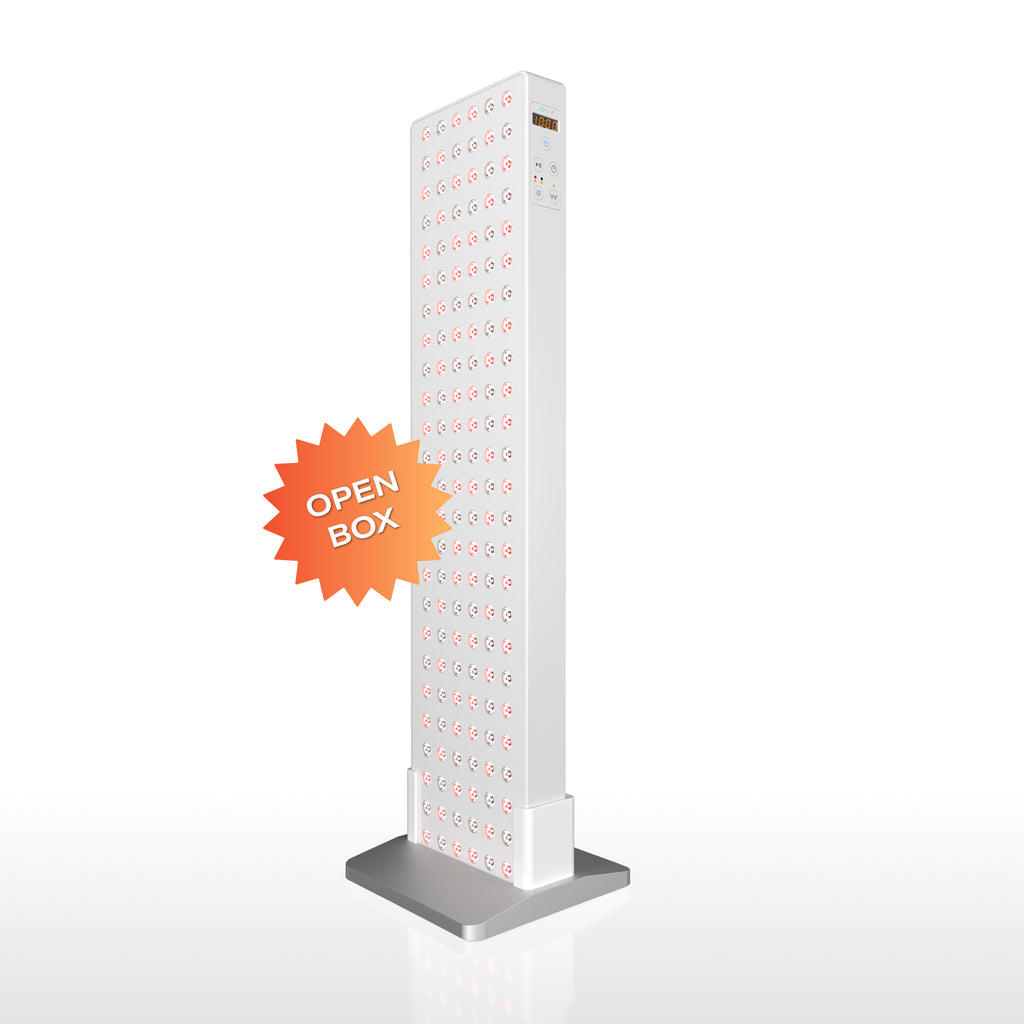
Software-forward modular ecosystem
Review: As a piece of consumer tech, the Solo 3.0 is excellent. The build quality is high, the app experience is smooth, and the modular ecosystem is well thought out. The problem is that on its own, it is very expensive for the amount of coverage you get, and you will spend more time repositioning than with cheaper, wider panels. It makes sense as a starting point for a larger Joovv system, but as a standalone buy, it is hard to recommend on value.
| Best for | App-based routines and ecosystem expansion. |
|---|---|
| Watch-outs | High price per coverage as a standalone panel. Makes most sense if you plan to expand into a multi-panel system. |
| Key specs | 660/850 nm, 150 LEDs, 36 x 8.75 in. |
| Price snapshot | $1,699 (USD). |
| Warranty / trial | 2-year warranty. |
Our picks balance wavelength choice, coverage, comfort, routine friction, and price. There is no single “best” mask, just the best fit for how you'll use it.
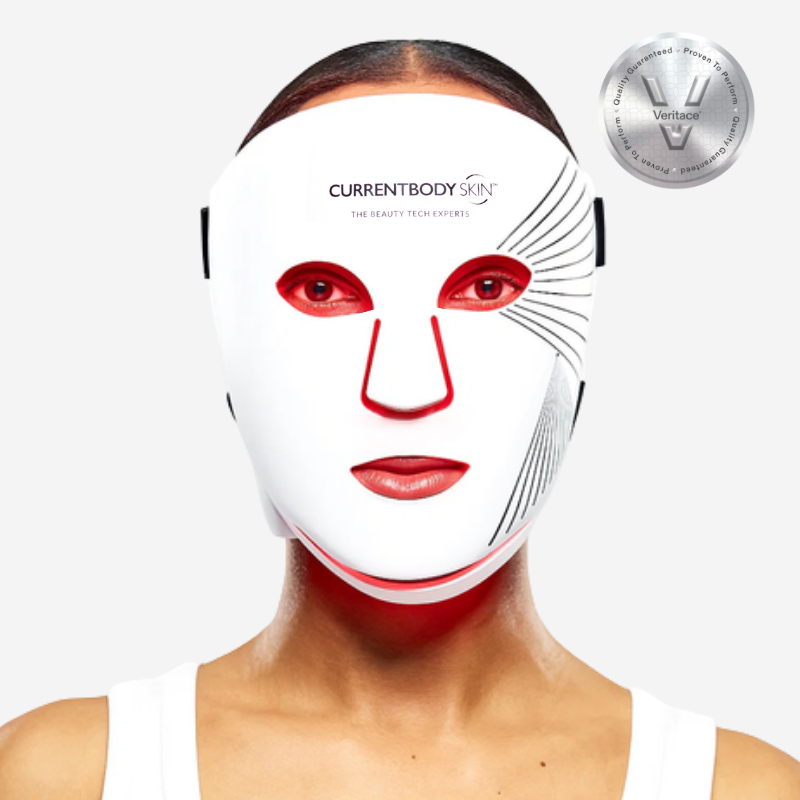
Most complete all-round mask. Broad coverage, a useful wavelength mix, and strong day-to-day comfort, if you want one mask that covers the most bases.
Read full review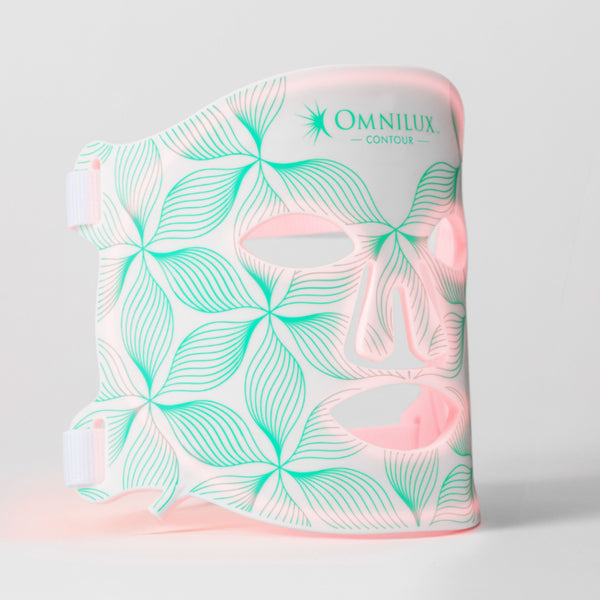
Comfort-first classic. Easy fit and predictable sessions make consistency simple, with a price that stays reasonable for a premium red + NIR mask.
Read full review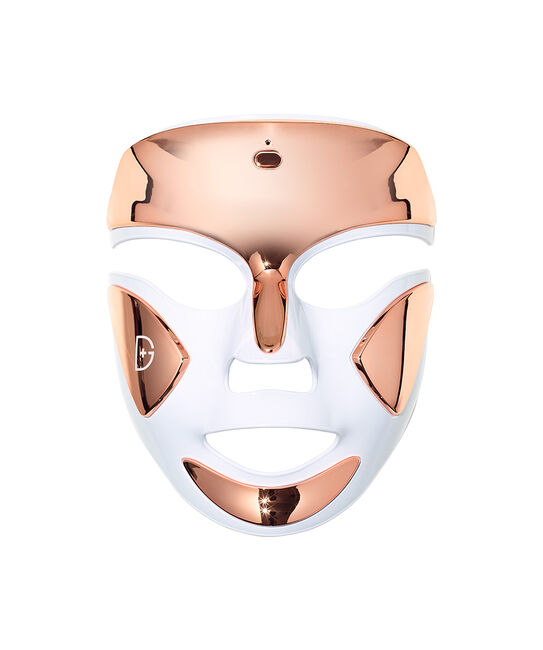
Best time-saver. Ultra-short 3-minute red + blue sessions are great for busy routines and breakout-prone skin, with a more rigid fit as the trade-off.
Read full reviewFace masks are about comfort, fit, sensible routines, and whether you can realistically stick with three to five sessions a week for months.
| Category | Why it matters |
|---|---|
| Dose delivery (usable light at the skin) | Output matters, but only if the mask sits well and delivers light evenly. Masks are about repeatable, usable dose, not headline numbers. |
| Price / Value | Value is the mix of wavelength choice, build, comfort, and how likely you are to use it. Cheap masks that gather dust are expensive. |
| Fit, comfort, and wearability | Comfort is not everything, but it sets the ceiling on consistency. If it pinches, slides, or feels heavy, you will use it less. |
| Routines and controls | Built-in timers and simple modes reduce friction. Apps and extra settings only help if they make you use it more, not if they add steps. |
| Coverage and light distribution | More LEDs is not automatically better. Even coverage across common problem zones matters more than raw LED count. |
| Safety and transparency | Clear safety positioning and honest disclosure matter for something you wear close to your eyes several times a week. |
| Bottom line | The best mask is the one that fits your goals and you will actually use consistently. |
Three-wavelength mask with broad coverage and a more complete wavelength mix
Review: Best all-rounder if you want a wider wavelength mix and broad coverage in a flexible mask. Comfortable enough for regular use, and more complete than most two-wavelength options. Pricier, but easier to justify if you want one mask to cover multiple skin goals.
| Best for | Three-wavelength routines with full-face flexible coverage. |
|---|---|
| Watch-outs | Limited dose transparency (common in masks) and a higher price than simpler red + NIR models. |
| Key specs | 633/830 nm plus added NIR, ~10-minute sessions, flexible design. |
| Price snapshot | $500-$550 (USD). |
| Safety positioning | FDA-cleared positioning (manufacturer). |
Comfort-first mask focused on fit and coverage
Review: Best comfort-centric pick, and still strong value in the premium red + NIR category. Simple, predictable sessions and an easy fit make it one of the safest recommendations for long-term use.
| Best for | Mainstream routines with consistent fit. |
|---|---|
| Watch-outs | Missing detailed wavelength and irradiance data. |
| Key specs | 132 LEDs, ~10-minute sessions, flexible silicone. |
| Price snapshot | $395-$450 (USD). |
| Safety positioning | FDA-cleared positioning (manufacturer). |
Ultra-short red + blue sessions in a structured daily routine
Review: Best for short, low-effort sessions. The 3-minute routine makes consistency easy, and red + blue covers both breakouts and general skin goals. The rigid fit and limited dose transparency keep it below the top all-round picks.
| Best for | Short, structured red + blue routines. |
|---|---|
| Watch-outs | No irradiance-at-skin data and a rigid fit. |
| Key specs | Red + blue modes, 3-minute auto-off sessions, rigid shell design. |
| Price snapshot | $455 (USD). |
| Safety positioning | FDA-cleared positioning (manufacturer). |
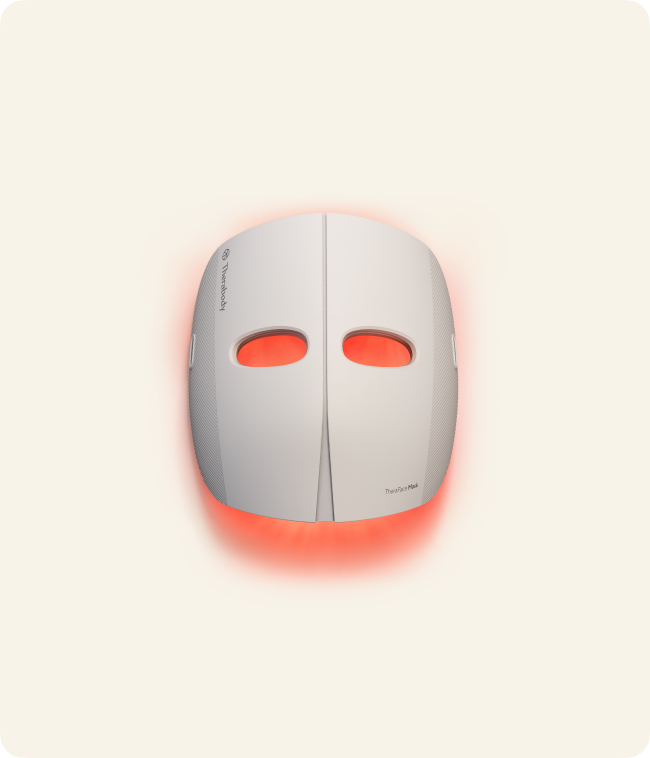
Multi-wavelength mask with vibration for a more treatment-like session
Review: Best if you want an all-in-one face gadget. The vibration makes sessions feel more like a short treatment, and the multi-mode approach is convenient if you are balancing several concerns. Higher price and heavier fit mean it makes most sense for people who actually want the vibration feature, not just LED.
| Best for | LED plus vibration in a single routine. |
|---|---|
| Watch-outs | High price and limited irradiance data. |
| Key specs | Red/NIR/blue modes, rigid shell, short multi-mode sessions. |
| Price snapshot | $599-$699 (USD). |
| Safety positioning | FDA-cleared positioning (manufacturer). |